8-26-26: Carlos and I had been talking to ChatGPT for about a week, asking about the Adler-Moser resonance. We had it built a resonance detector for the translating Tkachenko equation, and we quickly stumbled on the (3,6) resonance, observed before by I. Loutsenko and O. Yermolayeva.
9-4-26: We asked for the next possible resonance, and after about 30 minutes, ChatGPT gave us the (6,12) solution:
9-6-26: We naturally wanted to know whether the Adler-Moser triangular pattern continued. ChatGPT attempted to solve the equations algebraically, but its Grobner based approach to solve the (10,20) case stalled.
9-8-26: In the meantime, we used Mathematica with random initial values to find numerical solutions. ChatGPT used these to find a large number of high precision solutions nearby, allowing it to interpolate exact polynomial solutions.
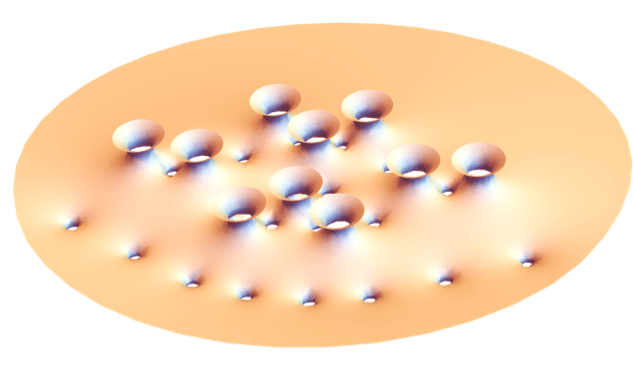
We had asked multiple times whether it could find an Adler-Moser type recursion. This didn’t succeed yet, put patterns started to emerge. It quickly found the full 15-30 solution.
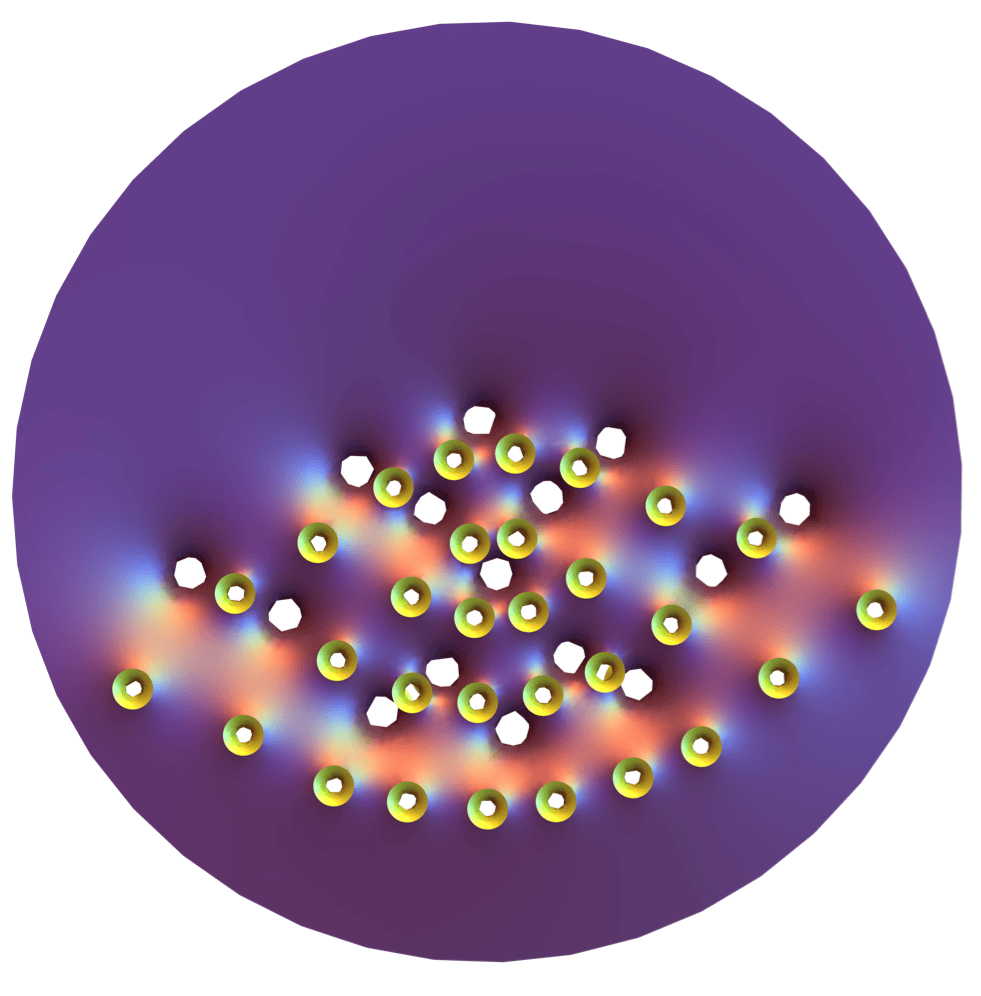
9-11-2026: From here on, progress stalled again. My university had decided to throttle their employees ChaGPT allowance dramatically, I had run out of my credits, and neither ChatGPT nor Mathematica could find solutions to the 21-42 case. Nor where the data enough to predict a pattern for a conjectured recursion.
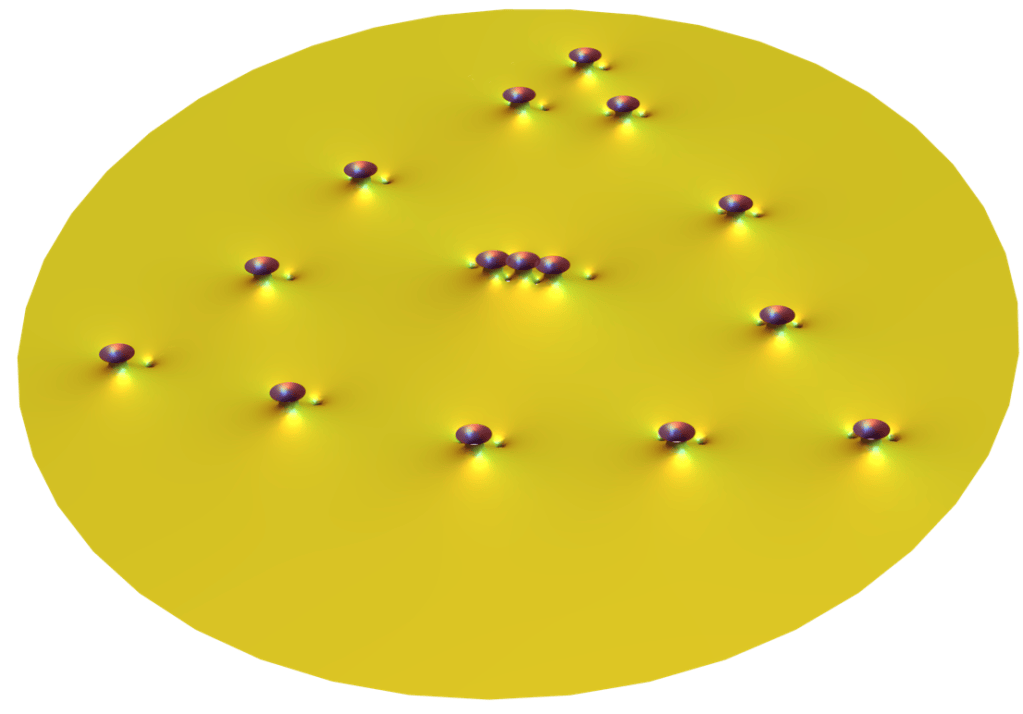
10-1-2026: So we had time to examine the families that we had found so far, and we discovered surprisingly simple patterns near the boundary of the solution space. ChatGPT was able to use these patterns to guess boundary solutions for the (21,42) case, deform these numerically, and again interpolate them to the full polynomial solutions. We had migrated the whole discussion to a free ChatGPT Plus trial account, running Sol, while my university had now limited access to Luna.
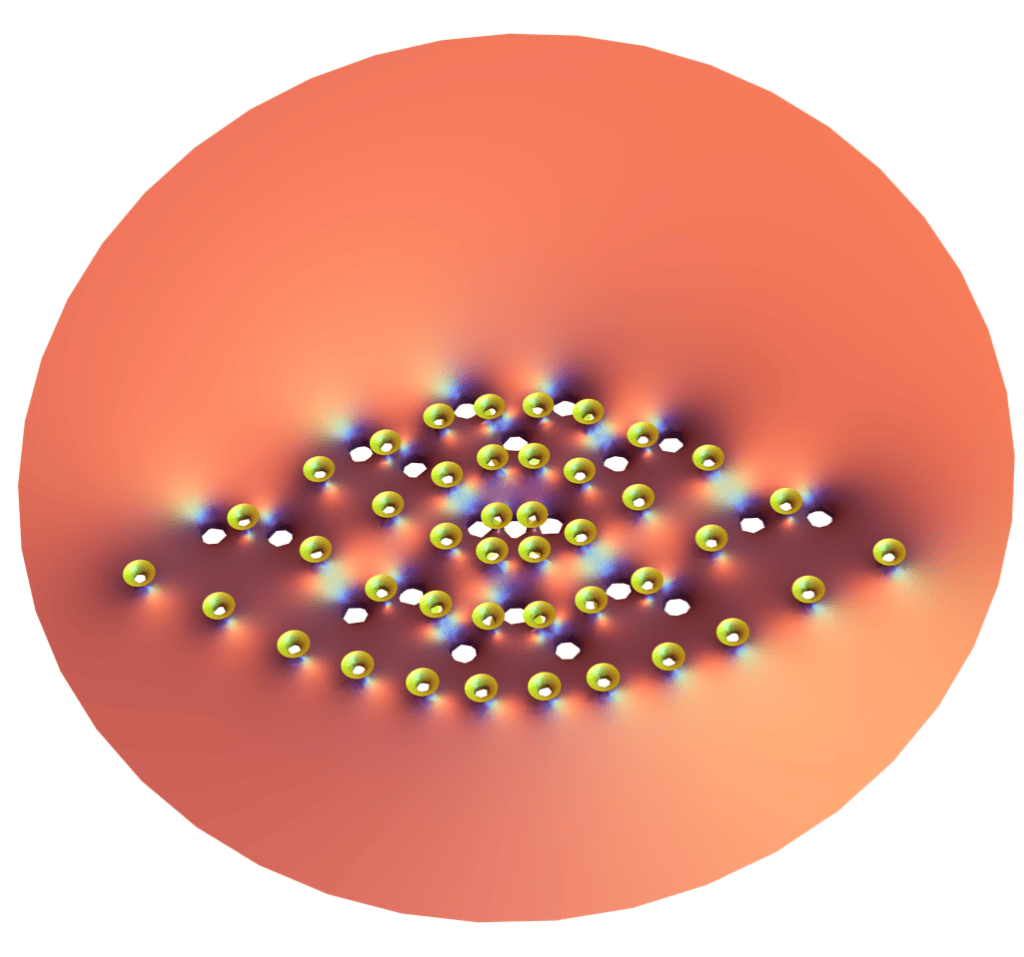
10-4: We now had enough data that allowed ChatGPT to find a recursive algorithm that generates solutions for the case . With the help of a second client, a closed form for the recursion was found, too. It is so complicated that it is a miracle that it exists. Below is the (28,56) case, and a Mathematica notebook with the full family is here. The two polynomials together weigh more than 1MB.
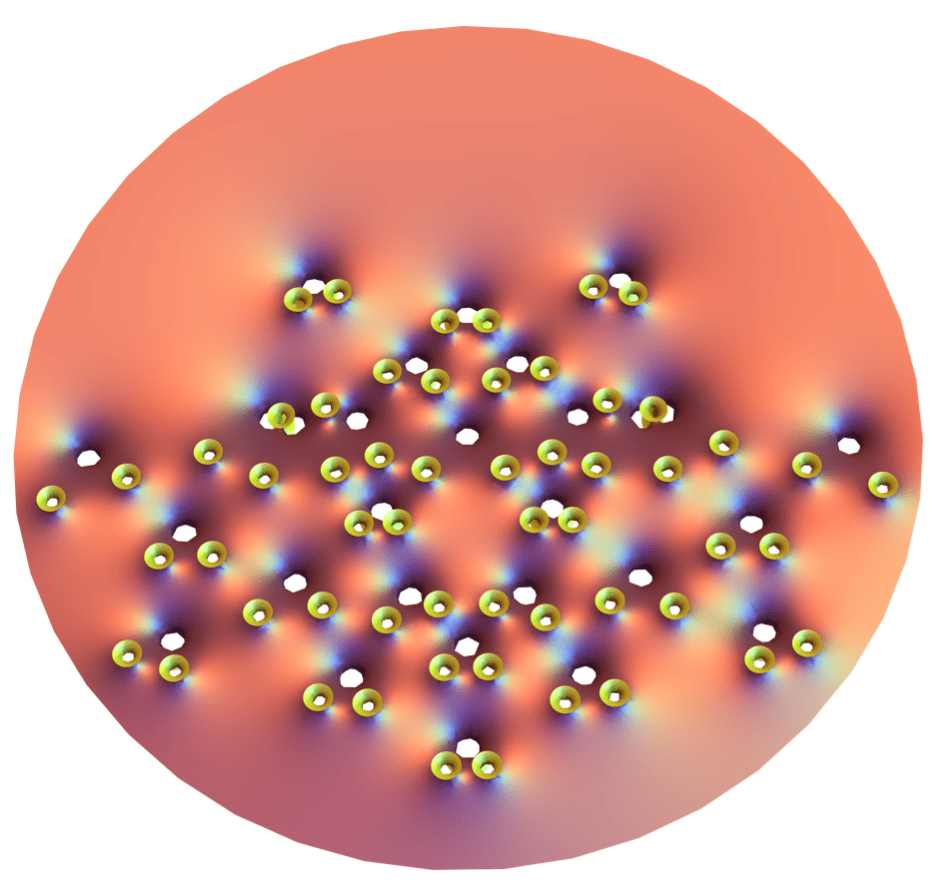
In the subsequent weeks, we used the remaining credits to create a detailed research draft, let ChatGPT conduct a Lean certification of it, and create a Mathematica notebook implementing the iteration. We are no experts in vortices, but we find these results and methods fascinating, so we will try to learn as much as we can about it. We have no plans to publish this material, but we think we should make it available so that it lead to further research. As always on this site, the material is available under a Creative Commons license. We invite comments, suggestions, requests, and help in understanding all this.


